

-
 Early Childhood DevelopmentEnglish First Additional Language
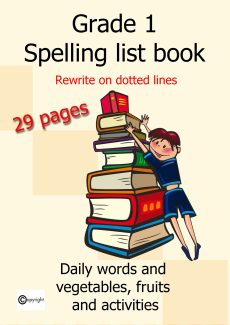
Grade 1 English Spelling List ( Learn to write)
This spelling boot with dotted lines helps your little one develop neat handwriting. At the same time, the child also learns correct spelling of basic words.
Digital -
Sale!
 Grade 9Natural Sciences
Graad 9 Natuurwetenskap Kwartaal 3 Opsomming (Kragte)
Graad 9 Natuurwetenskap 16 bladsye Opsommings kwartaal 3 CAPS voorbereiding eksamen en dit het ‘n paar vrae om jouself te toets
Digital -
 Grade 8Social Sciences
Graad 8 Geskiedenis Kwartaal 2 Toets
Graad 8, Geskiedenis kwartaal 2, toets is in ‘n moontlike vrae formaat met antwoord and dit is 8 bladsye.
Digital -
Sale!
 Natural Science and Technology
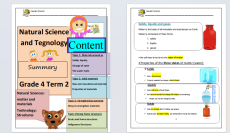
Grade 4 Natural Science and technology Term 2 Summary( matter and materials & Structures)
Summary for Grade 4 Term 2
Matter and Materials
States of Matter: Solids, liquids, and gases; their properties and examples (e.g., bricks, milk, air)
Change of State: How substances change from one state to another when heat is added or removed (melting, freezing, boiling)
Temperature Measurement: Using thermometers; water freezes at 0°C and boils at 100°C
Solid Materials: Raw and manufactured materials, their uses, and …Digital -
Sale!
 Afrikaans Eerste Addisionele TaalAfrikaans Eerste Addisionele Taal
Zulu, English, Afrikaans Prepositions
Zulu, Afrikaans and English … Learn Prepositions
Also learn fruits names etc. in these different languagesDigital -
Sale!
 Classroom SectionEarly Childhood Development
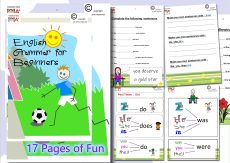
English Grammar for Beginners Fun
English Grammer for beginners provides , easy searchability, and structured learning to better understand the English Language without the hassle of worrying about grammar
Digital -
Sale!
 ArtsArts
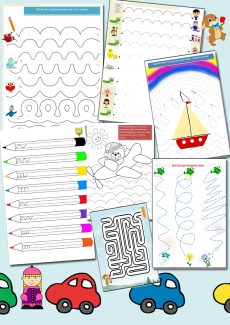
Motor skills Fun Activities for Kids
Significance of Fine Motor Skills
Fine motor skills play a crucial role in fostering independence and self-care, enabling people to carry out activities such as:Writing, drawing, and typing
Using utensils for meals
Fastening clothing, tying shoelaces, and organizing laundryDigital -
 ArtsArts
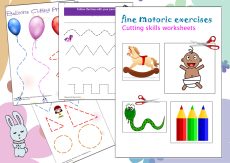
Mastering Cutting / Sny Skills Activities for Kids
The Importance of Fine Motor Skills
Fine motor skills involve the small muscles of the hands and fingers, enabling children to perform tasks such as holding a pencil, cutting with scissors, buttoning clothing, drawing, and writing. Developing these skills improves hand-eye coordination, independence, concentration, and readiness for school. Regular practice through fun, age-appropriate activities helps children gain confidence and supports …
Digital